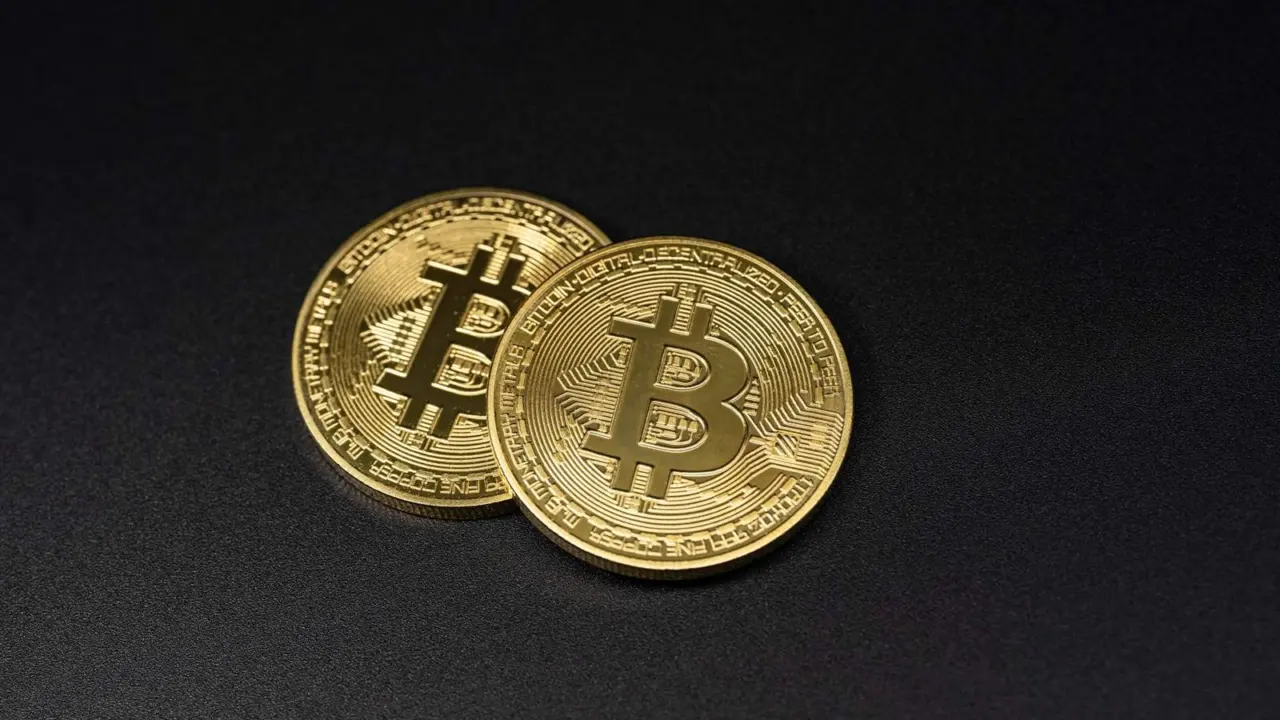
If you keep asking yourself what is cryptocurrency, here is the short answer: digital money that runs on a shared public ledger instead of a bank. This guide explains how it works, plainly, and where the risks sit.
| Item | Value |
|---|---|
| Year of the white paper that first described blockchain | 2008 |
| Year bitcoin was developed | 2009 |
| How often a new bitcoin block is broadcast | Approximately every 10 minutes |
| Estimated number of cryptocurrencies (October 2026) | 20,900 |
| Bitcoin market cap (Motley Fool update of Oct 7, 2026) | $1.72 trillion |
| Bitcoin’s low during the crypto winter (November 2022) | Below $16,000 |
The figures above come from The Motley Fool’s guide, updated Oct 7, 2026, and Kiplinger’s guide, last updated 8 August 2025. Prices, market caps and coin counts change quickly, so check the source before you rely on them.
What cryptocurrency is, in plain English
Start with the simplest version. A Money.com explainer, published Nov 17, 2021, describes cryptocurrency as digital money designed to let users send online payments quickly anywhere around the world without going through a bank and without oversight by any government. Nothing physical changes hands. The whole thing is records on a shared system.
Vanguard, as quoted in Kiplinger’s guide, puts it this way: “A cryptocurrency is a digital asset stored on blockchain technology that serves as a type of currency or store of value.” The same quote adds that, unlike traditional currencies, cryptocurrencies aren’t backed by major governments or developed economies. That is a big difference from the money in your bank account, and it comes up again in the risks section.
The Motley Fool’s guide gives a more technical definition. It says cryptocurrency is a digital currency that doesn’t rely on central banks or trusted third parties to verify transactions and create new currency units. Instead, it uses cryptography to confirm transactions on a publicly distributed ledger called a blockchain.
Notice that each source stresses something different. Money.com focuses on payments that skip the bank, Vanguard describes an asset that works as a currency or store of value, and the Motley Fool focuses on how transactions get verified. They are describing the same thing from three angles, and a good beginner’s definition keeps all three in view: digital, verified by a network, and not issued by a government.
That is where the “crypto” in the name points: cryptography is the technique used to confirm transactions. You do not need to understand the maths to follow the rest of this guide. You only need to know that the network, not a single company, checks the records.
Three ideas that explain most of it
- Digital only: the money exists as entries on a ledger, not as notes or coins you can hold.
- No central referee: according to the Motley Fool, verification does not rely on central banks or trusted third parties.
- Shared record: the ledger is publicly distributed, so many computers hold and check the same history.
Those three ideas separate cryptocurrency from a card payment or a bank transfer, where one institution keeps the books. They also explain why people describe it as both interesting and unfamiliar. Kiplinger’s guide frames the topic as something to learn about before you put money into what it calls a high-risk space.
How a cryptocurrency transaction works
Digital files are easy to copy, and that is a problem for money. The Motley Fool explains that, since digital information is easily copied, digital money needs a mechanism that reliably prevents a currency unit from being duplicated or spent more than once. This is called the double-spending problem, and the Motley Fool says blockchain solves it.
The answer is a network of computers rather than one referee. Kiplinger’s guide says blockchain technology lets cryptocurrencies such as bitcoin verify transactions through a decentralized network of users known as nodes. In its words, these nodes validate and record these transactions rather than through a single authority or middleman.
The records are grouped into blocks. Kiplinger notes that the bitcoin blockchain contains every bitcoin transaction that has ever taken place, divided into blocks, and that stacked blocks create a chain. The Motley Fool adds that each block includes a reference to the block that immediately precedes it, which is what links them together.
If you want the technical detail, the guide on how does blockchain work covers blocks and chains step by step.
A transaction step by step
The Motley Fool describes the path of a single payment. Here it is in order:
- You authorize the movement of a specified amount of cryptocurrency from your wallet address to the seller’s wallet address.
- The transaction is encrypted with your private key and pushed to the blockchain.
- The network’s miners use your public key to confirm that your private key was used to encrypt the transaction.
- Once the block containing your transaction is confirmed, the ledger is updated to show the new balances for both addresses.
Nothing in that list involves a bank. The checking is done by the network, using keys and cryptography. That is the practical meaning of the phrase “no middleman”.
Mining is the part people hear about most. Kiplinger quotes a Coinbase help page saying that finding and publishing new blocks is what bitcoin miners do to earn bitcoins. The same page says a new block is broadcast approximately every 10 minutes, and the miner who solved that block receives a quantity of bitcoins.
That description is about bitcoin. Other cryptocurrencies can be built differently, so treat the 10-minute rhythm as a bitcoin detail rather than a rule for every coin.
Key terms at a glance
- Blockchain: a publicly distributed ledger that records transactions in linked blocks.
- Node: a computer in the decentralized network that validates and records transactions.
- Miner: a participant who finds and publishes new blocks on the bitcoin network.
- Wallet: the tool that gives you an address and holds your keys.
- Private key: the secret used to authorize and encrypt your transactions.
- Public key: the counterpart that lets the network confirm your private key was used.
Wallets, keys and exchanges
To make a cryptocurrency transaction you need a wallet for that digital currency. The Motley Fool is careful about what a wallet actually is: it doesn’t hold any currency, and merely provides an address for your funds on the blockchain. It also includes private and public keys that let you complete secure transactions.
That is a useful correction to the everyday picture of a wallet as a container. The coins stay recorded on the blockchain, and the keys are what prove you can move them. The guide on what is a crypto wallet goes further into the different kinds.
In practice, that makes the private key the sensitive part. Whoever controls it controls the ability to move the funds, and losing it can mean losing access. This is one reason loss of funds appears on every honest list of crypto risks.
Exchanges are a separate piece. The Motley Fool says you can buy or sell cryptocurrency using a cryptocurrency exchange, and that exchanges can hold deposits in both fiat and cryptocurrencies and credit and debit the appropriate balances of buyers and sellers. This guide does not rank or recommend any exchange.
An exchange that holds deposits is a company sitting in the middle. That is a different arrangement from the middleman-free network described earlier, and it brings the usual questions you would ask of any company that holds your money.

Coins, tokens and why there are so many
Counting cryptocurrencies is harder than it sounds. The Motley Fool’s guide, updated Oct 7, 2026, says there were an estimated 20,900 cryptocurrencies as of October 2026, yet the key points at the top of the same page say approximately 16,000. The gap is a reminder that any count is an estimate and depends on what a source includes.
The Motley Fool also says there are thousands of cryptocurrencies available and thousands more that are now defunct. Many projects, in other words, have come and gone. That alone is a reason to read about a project’s history before you take its claims at face value.
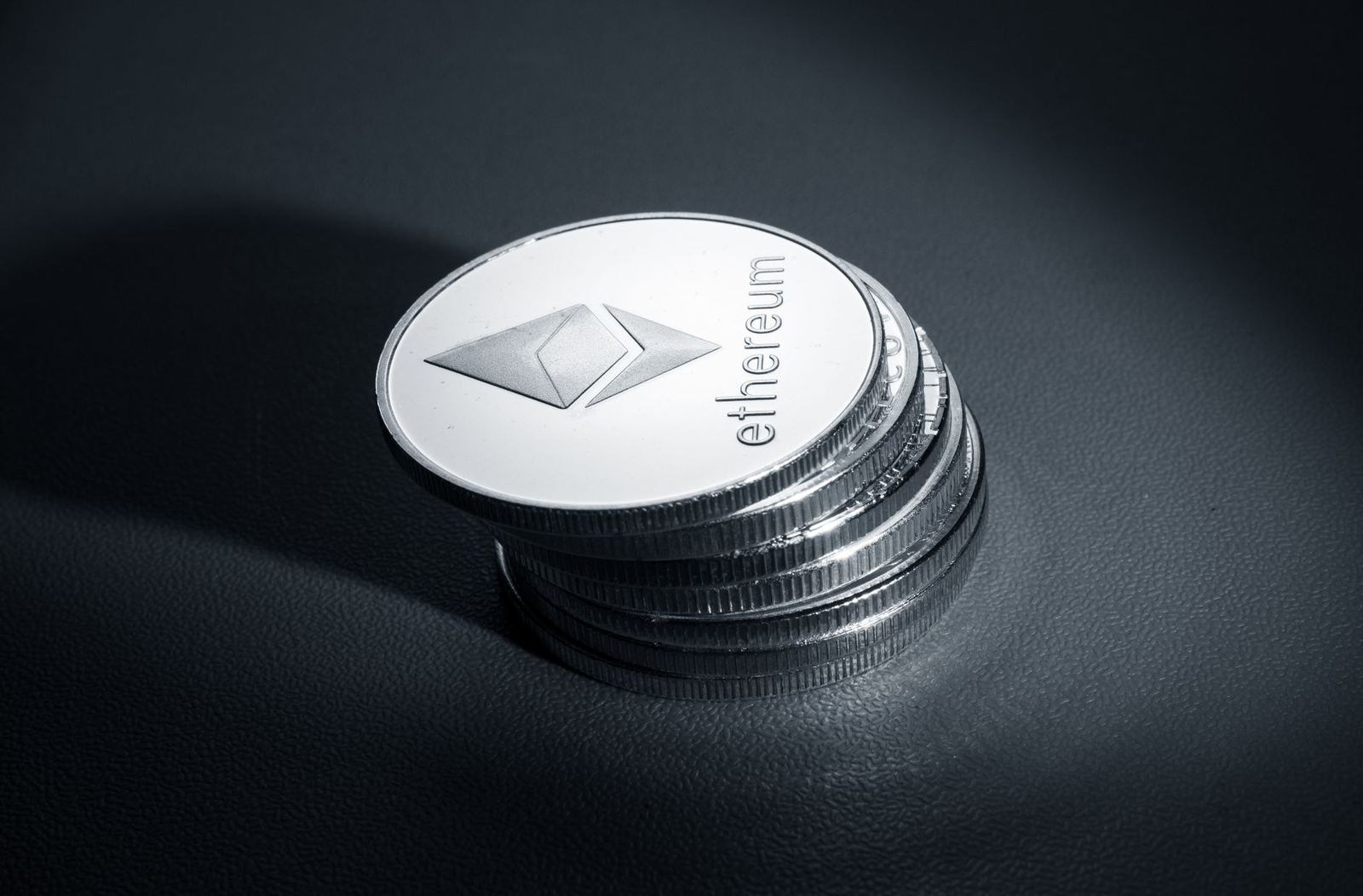
Why so many? The Motley Fool points to how easy it is to create one: Ethereum’s blockchain allows users to write code for it, essentially letting anyone launch a new token that runs on the Ethereum network. The same page says Ethereum, valued at $329.32 billion, supports multiple applications beyond its currency, while bitcoin remains the most valuable cryptocurrency with a market cap of $1.72 trillion.
For a closer look at that network, read what is ethereum. Kiplinger, in its guide last updated 8 August 2025, calls bitcoin the world’s first and still its largest cryptocurrency, so the two are often the first names people meet.
These guides cover the next questions most beginners ask:
- A separate guide on what are altcoins looks at the coins that exist beyond bitcoin.
- The difference between a coin and a token is covered in what is a crypto token.
- Another guide asks what is a stablecoin and how it differs from other digital money.
- For a map of the main categories, see types of cryptocurrency.
Because launching a token can be so simple, the number of projects says nothing about their quality. A large count mostly shows how low the barrier to entry is. Treat every unfamiliar name as something to check, not something to trust by default.
Where did cryptocurrency come from?
The Motley Fool says the first cryptocurrency, bitcoin, was developed in 2009 by a programmer using the pseudonym Satoshi Nakamoto, whose true identity is unknown to this day. In a 2008 white paper titled “A Peer-to-Peer Electronic Cash System”, Nakamoto provides the first description of blockchain. The pseudonym is the name on the paper, and nobody has verified who stands behind it.
Money.com’s explainer, published Nov 17, 2021, adds that the anonymous creator said in what came to be called the bitcoin white paper that the aim was a peer-to-peer electronic cash system. The idea was that you could send money straight to someone else without a company doing the transacting for you. You can read more about the mystery in who created bitcoin.
Bitcoin is the starting point for almost everything else. The guide on what is bitcoin explains it in more depth, and the timeline in history of cryptocurrency shows how the field developed afterwards.
Kiplinger’s August 2025 update describes bitcoin as the world’s first and still its largest cryptocurrency. Its size is why bitcoin’s price swings tend to dominate the headlines. Those swings are the next topic.
Risks, volatility and regulation
Every mainstream guide in the source material stresses caution. Kiplinger says to gain basic knowledge about cryptocurrency and bitcoin before you put your hard-earned money to work in a high-risk space. This guide takes the same view: understanding comes first, and nothing here tells you what to do with your money.
Price swings
Prices can move a long way, and Kiplinger’s guide gives a sense of the scale. Bitcoin was trading in the $40,000s in January 2024, and it sank below $16,000 during a crypto winter in November 2022. In the same update, Kiplinger says it reached an all-time high around $123,000 in July.
Those numbers are history, not a forecast, and they come from one source at one date. They show why volatility is the first risk on the list: a figure that looks large today can look very different later.
Other risks to understand
- Scams and rug pulls: a rug pull is when a project’s creators abandon it after taking people’s money. Because new tokens are easy to launch, fakes can look convincing.
- Smart-contract bugs: some projects run on code, and an error in that code can lead to loss of funds.
- Lost or stolen keys: the private key authorizes your transactions, so losing it or exposing it can mean losing access.
- No government backing: Vanguard, quoted by Kiplinger, notes that cryptocurrencies aren’t backed by major governments or developed economies.
- Platform risk: an exchange that holds deposits is a company, and companies can fail or be targeted.
- Regulatory change: rules differ between countries and can shift, which can affect how a coin or service works.
Regulation
Rules are still being written in many places. As of Kiplinger’s update of 8 August 2025, Congress had passed the first meaningful federal cryptocurrency legislation in the United States. That sentence describes the United States only and is dated by that update, so check for later changes.
How crypto connects with banks and regulated markets is covered in the guide on crypto and traditional finance. Laws and guidance differ elsewhere, and official sources in your own country are the place to confirm them.
Questions to ask about any crypto claim
- Who published it, and when? Old figures can mislead.
- Is every number tied to a named, dated source?
- Does it promise returns? That is a warning sign, not a feature.
- Can the project explain in plain words what it does and how it works?
- Does it say what can go wrong, including loss of funds?
Frequently asked questions
Is cryptocurrency the same thing as bitcoin?
Show answer
No. Bitcoin is one cryptocurrency, described by Kiplinger as the world’s first and still its largest. The Motley Fool’s guide, updated Oct 7, 2026, estimates there were 20,900 cryptocurrencies as of October 2026.
Who controls cryptocurrency?
Show answer
No central bank or trusted third party verifies transactions, according to the Motley Fool. Kiplinger says a decentralized network of nodes validates and records them instead. Companies such as exchanges still exist around the network, and they can hold your deposits.
Is cryptocurrency backed by a government?
Show answer
Vanguard, quoted in Kiplinger’s guide last updated 8 August 2025, says cryptocurrencies aren’t backed by major governments or developed economies. Money.com’s explainer, published Nov 17, 2021, also describes cryptocurrency as working without oversight by any government.
Is cryptocurrency safe?
Show answer
This guide cannot judge that for you. Kiplinger calls the field a high-risk space and reports that bitcoin sank below $16,000 in November 2022 before reaching around $123,000 in July. Scams, software bugs, lost keys and changing rules are all real risks to understand first.
This guide is for general information and education only and is not financial, investment, tax or legal advice.