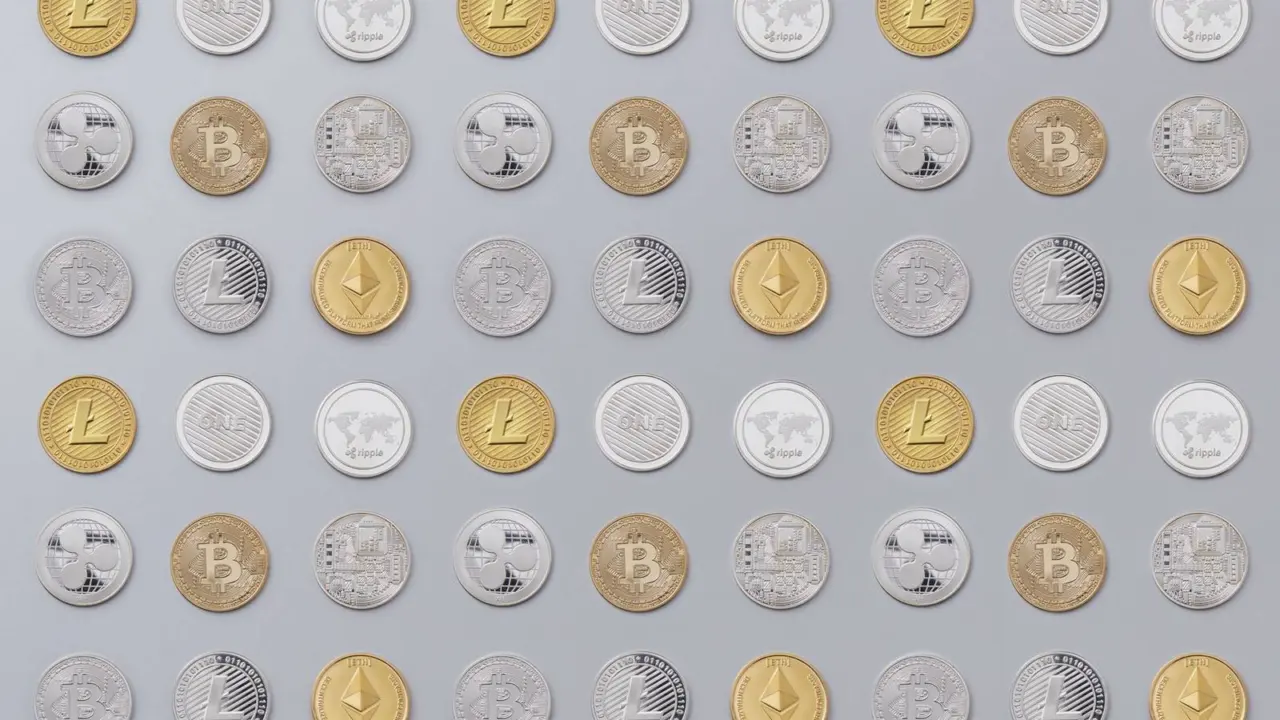
Hearing about coins other than Bitcoin and wondering what are altcoins? The short answer: every cryptocurrency that isn’t Bitcoin. Here you’ll see the main types, why they exist and the risks to weigh.
If crypto itself is new to you, start with the basics of what is cryptocurrency and then come back.
| Item | Value |
|---|---|
| What “altcoin” means | Any cryptocurrency other than Bitcoin |
| Year Bitcoin launched | 2009 |
| Bitcoin block interval | Every 10 minutes |
| Litecoin block interval | Every 2.5 minutes |
| Altcoin share of the crypto market (April 2021) | Over 40% |
These figures come from IT Pro’s 2021 feature and CoinJar’s altcoin guide. Figures can change, so check the source before you rely on them.
Where the word altcoin comes from
The word is short for “alternative coin”. CoinJar’s guide, last updated January 5, 2026, defines an altcoin as any cryptocurrency other than Bitcoin. In practice that covers everything from large networks to tiny experiments and short-lived memes.
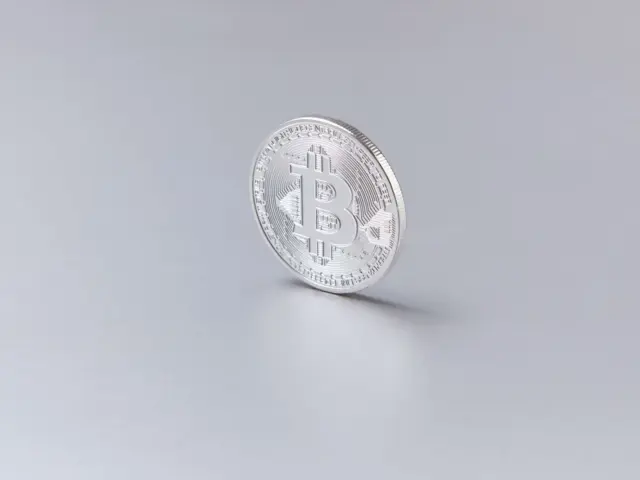
When Bitcoin launched in 2009, it was the only public blockchain, according to CoinJar. Developers then started building new networks that aimed for cheaper transactions, faster speeds, lower energy use or more flexible features. IT Pro notes that Namecoin is widely considered to be the very first altcoin.
Scale is hard to pin down. IT Pro reported around 9,000 cryptocurrencies, with altcoins making up over 40% of the market as of April 2021, so treat any count as a snapshot.
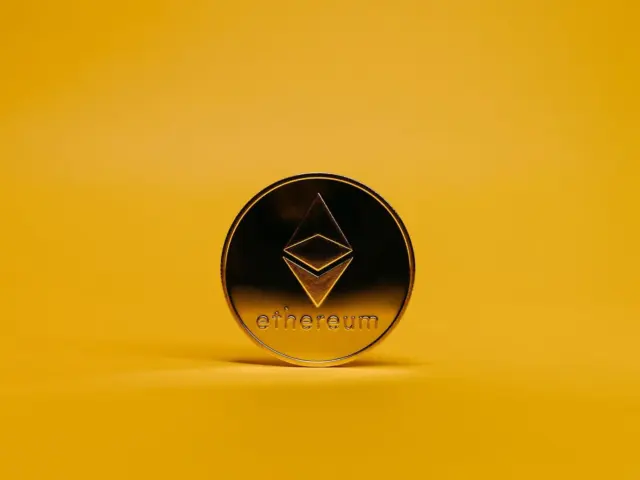
Whether Ethereum counts as an altcoin is debated. CoinMarketCap Academy says some people consider it one, while others exclude both Bitcoin and Ethereum from the list. The explainer on what is ethereum covers that network in more detail.
Coins and tokens: the two technical groups
CoinJar says altcoins fall into two main groups: Layer 1 coins and tokens. Layer 1 coins run on their own blockchains, and examples include Ethereum, Solana and Cardano, as described by CoinJar.
On those networks, the native coin pays for transaction fees and rewards the computers that keep the network running. You can think of a Layer 1 network like an operating system, such as Windows or macOS, with apps built on top.
Tokens do not have their own blockchain. They exist on top of another network and use that network’s security and infrastructure, so the apps-and-files comparison fits them well.
Main types of altcoins
Altcoins are not all digital money. Many are built for a specific job, and sources such as CoinMarketCap Academy and CoinJar group them into a few categories:
- Smart contract platforms: networks like Ethereum and Solana let developers write smart contracts, which are programs that run on the blockchain.
- Stablecoins: coins that aim to keep a steady price, often around $1.
- Governance tokens: holders can often vote on how a protocol should change over time.
- Utility tokens: tokens that can be used for a specific purpose within their ecosystem.
- Memecoins: coins created as a joke, with no obvious utility.
Stablecoins are a special case. CoinMarketCap Academy describes them as pegged to currencies like the dollar and often backed with collateral, and it argues they are not “real” altcoins because their value does not oscillate. The guide on what is a stablecoin explains pegs and reserves in more depth.
Memecoin prices tend to be driven by social media, hype and community culture, according to CoinJar. That makes them very speculative.
Payment tokens focus on payments as their main use case, according to CoinMarketCap Academy. The same glossary adds that these tokens are often not considered to be “real” cryptocurrencies since they tend to be more centralized, which shows how loose some of these labels are.
Other categories build on top of the base networks. Layer 2 scaling solutions are protocols built on top of existing Layer 1 blockchains, most notably Ethereum, per CoinMarketCap Academy. The same glossary names Arbitrum, Optimism, zkSync and Starknet as prominent examples, and says their own tokens often serve governance, fee incentives or ecosystem funding.
Newer sectors change quickly. As of early 2026, CoinJar says two areas getting a lot of attention are real world assets and DePIN, short for Decentralized Physical Infrastructure Networks. CoinMarketCap Academy describes real-world assets (RWAs) as the tokenization of tangible and off-chain financial instruments, such as government bonds, real estate, invoices and commodities. DePIN projects reward people for providing physical resources such as wireless coverage, sensors, GPU power or file storage, per CoinJar.
Treat these categories as loose guides rather than official classifications. A project can fit more than one label, and a trendy sector name says nothing about whether any single project will last, so the risks covered further down apply to every type.
Why do people keep creating altcoins?
How-To Geek points out that there are thousands of altcoins and anyone can create one. The usual technical reasons fall into a few groups:
- Speed: IT Pro says Bitcoins are mined every 10 minutes, whereas Litecoin produces coins every 2.5 minutes.
- Different design: How-To Geek says Litecoin uses a proof-of-work algorithm that is more intensive on memory, where Bitcoin is more intensive on processing power.
- Forks: Bitcoin Cash was originally a fork of Bitcoin but is now basically a separate currency, per the same source.
- New features: smart contract platforms let developers run programs on the blockchain.
Traders also talk about “Alt Season”, a period when altcoins as a group rise faster in price than Bitcoin and see heavy trading activity, per CoinJar. CoinMarketCap Academy says its Altcoin Season Index was launched in 2024 to track that rotation.
Risks that come with altcoins
CoinJar says altcoins usually carry more risk than Bitcoin and are usually more volatile. It lists several red flags:
- Price swings: sharp drops can happen with little warning.
- Zombie projects: many networks and tokens fail due to bugs, poor design or lack of users.
- Scams and rug pulls: bad actors sometimes create a token, market it aggressively, attract liquidity, then drain pooled funds and disappear.
- Limited recourse: in many cases there is no way to recover lost funds.
On the legal side, CoinJar’s January 2026 update says crypto rules in the United States are still developing. If a project fails, is hacked or behaves dishonestly, you may have little or no legal protection.
Blockchain.com’s learning portal also flags the potential for fraud and scams in the altcoin market. Doing your own research on any project is a recurring theme across these sources.
Frequently asked questions
Is Bitcoin an altcoin?
Show answer
No. By the usual definition, an altcoin is any cryptocurrency other than Bitcoin, so Bitcoin sits outside the category.
Is Ethereum an altcoin?
Show answer
It depends on the source. CoinMarketCap Academy says some people consider Ethereum an altcoin, while others exclude it and count only coins other than Bitcoin and Ethereum.
What is the difference between a coin and a token?
Show answer
A coin such as Ethereum runs on its own blockchain. A token lives on top of another network and uses that network’s security and infrastructure.
Are altcoins riskier than Bitcoin?
Show answer
CoinJar says altcoins usually carry more risk than Bitcoin, citing thin liquidity, incomplete information and many experimental projects.
This page is for general information and education only and is not financial, investment, tax or legal advice.